
.png)
The content on this website – including articles, event announcements, personal experiences, and recommendations – is for informational and educational purposes only and is not medical advice. Always consult a qualified healthcare professional before making any changes to your diet, exercise, supplements, sleep habits, or wellness routines, especially if you are pregnant, nursing, on medication, or have any medical condition.

If you're looking to boost your blood circulation, especially in your legs and feet, what you eat can really make a difference. Certain foods that improve blood circulation in legs and feet are known to enhance blood flow, which is crucial for overall health. From fish packed with omega-3s to vibrant fruits and veggies, this list covers the top ten foods that can help improve circulation and keep your body functioning smoothly. Let’s dive into these tasty options!
Key Takeaways
Fatty fish like salmon are rich in omega-3 fatty acids that can reduce inflammation and support circulation.
Leafy greens such as spinach and kale are packed with nitrates that help relax blood vessels.
Berries are full of antioxidants that protect blood vessels and improve blood flow.
Garlic contains compounds that may help lower blood pressure and enhance circulation.
Citrus fruits are high in vitamin C, which is essential for maintaining healthy blood vessels.
1. Fatty Fish
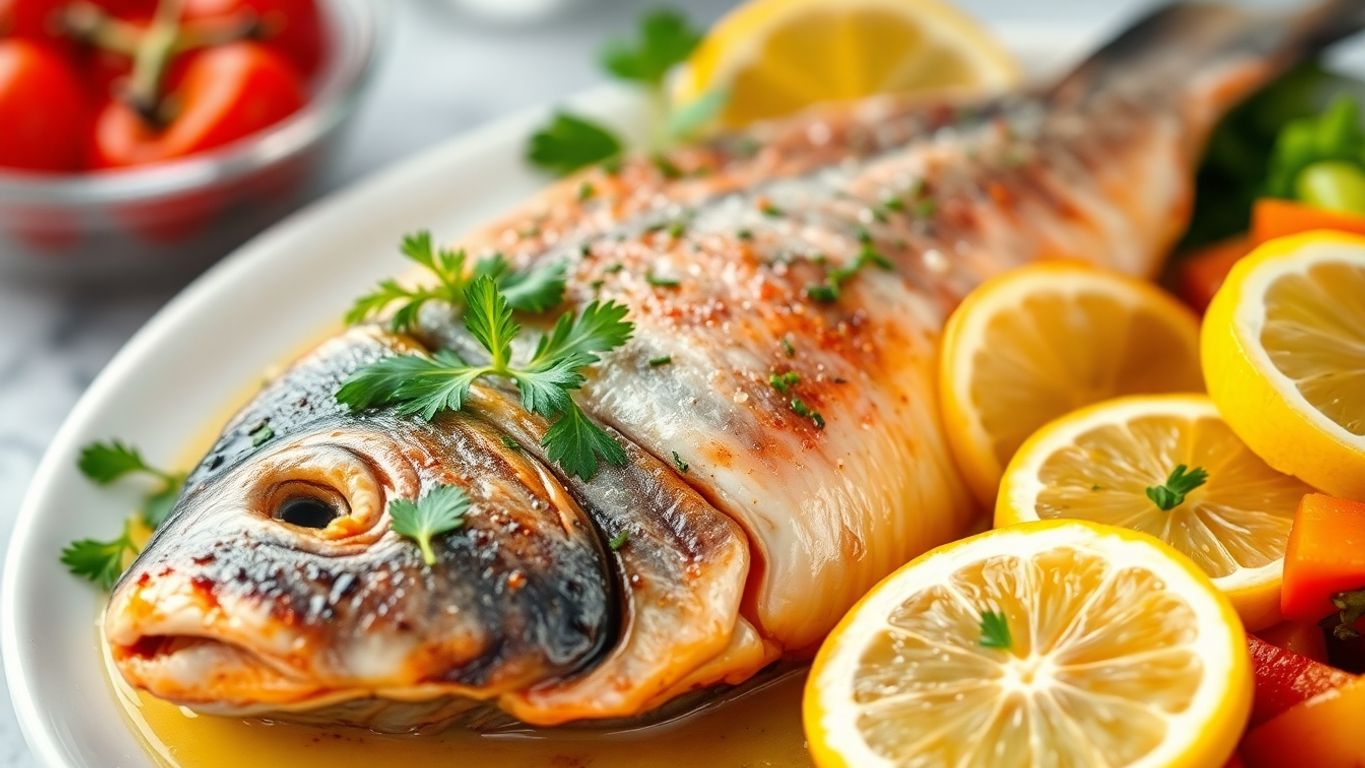
If you're wondering why everyone keeps saying fish is good for you, especially for your heart, here's a big reason: fatty fish. We're talking salmon, mackerel, trout, herring – the whole gang. These fish are loaded with omega-3 fatty acids, and studies suggest these are great for your circulation.
Eating fatty fish can do more than just lower your resting blood pressure. It can actually help keep your arteries clear and unclogged. Think of it as a natural way to keep things flowing smoothly. Plus, those omega-3s also help prevent blood platelets from clumping together, which is a big deal when you're trying to avoid blood clots.
I've been trying to incorporate more fatty fish into my diet. It's not always easy, but I've found some great recipes that make it a lot more appealing. I've noticed a difference in how I feel, especially after long days on my feet. It might be a placebo, but I'll take it!
So, if you're looking for some of the best foods for circulation, fatty fish should definitely be on your list. It's a simple change that can make a real difference.
Here's a quick rundown of some popular fatty fish:
Salmon
Mackerel
Trout
Herring
2. Leafy Greens
Leafy greens are a fantastic addition to any diet for healthy blood vessels. I mean, who doesn't love a good salad, right? But beyond just being tasty, these greens are packed with stuff that can really help your circulation, especially in your legs and feet.
Think about it: spinach, kale, collard greens – these aren't just rabbit food. They're powerhouses of nutrients that can make a real difference. They're full of nitrates, which your body turns into nitric oxide. Nitric oxide helps your blood vessels relax and widen, making it easier for blood to flow through.
I remember reading somewhere that people who eat a lot of nitrate-rich veggies tend to have healthier blood pressure. Makes sense, right? More space for the blood to move, less pressure needed to push it through. It's like widening a highway to ease traffic congestion.
So, if you're looking for foods to boost blood flow in legs, leafy greens are a great place to start. They're easy to incorporate into your meals – throw some spinach in your smoothie, add kale to your soup, or just make a big, colorful salad. Your legs (and the rest of you) will thank you for it. Plus, they're a great source of nutrients for leg health.
3. Berries
Okay, so berries. I always think of summer when I think of berries, and it turns out they're not just tasty, they're actually really good for your circulation. Who knew?
Berries are packed with antioxidants and anti-inflammatory stuff, which is great for your blood flow.
Berries can help:
Lower blood pressure.
Improve artery dilation.
Reduce inflammation.
I read somewhere that the antioxidants in berries, especially something called anthocyanin, help protect your artery walls. It's the stuff that gives them that deep red or purple color. Pretty cool, right?
4. Citrus Fruits
Citrus fruits are more than just a tasty snack; they can really help your circulation. I've been adding more to my diet lately, and it's been great. They're packed with good stuff that keeps your blood flowing smoothly. Think oranges, lemons, and grapefruits – all those bright, juicy fruits.
Citrus fruits are rich in antioxidants, including flavonoids, which are linked to reduced inflammation. This is super important because less inflammation can mean lower blood pressure and better blood flow. Who knew something so simple could make such a difference?
I read somewhere that regularly drinking orange juice can actually lower your blood pressure. I'm not saying to go overboard, but it's definitely something to consider. Plus, they're just so refreshing!
Here's a quick rundown of why citrus fruits are good for your circulation:
They're full of antioxidants.
They can help reduce inflammation.
They might even lower your blood pressure.
So, next time you're at the store, grab some citrus fruits. Your legs and feet will thank you!
5. Garlic
Garlic is more than just a flavor enhancer; it's a powerhouse when it comes to boosting circulation. The sulfur compounds in garlic, especially allicin, are the real heroes here. They help relax your blood vessels, which can lead to improved blood flow and lower blood pressure. I remember reading somewhere that garlic is one of the most effective natural remedies for poor circulation.
I've been adding more garlic to my meals lately, and I've noticed a slight improvement in how my legs feel, especially after long days. It might be a placebo, but I'll take it!
Some studies have shown that regular garlic consumption can significantly improve blood flow. One study even showed a 50% improvement in blood flow in people with coronary artery disease who took garlic powder tablets. It's pretty amazing what a simple ingredient can do. I think I'll start adding it to my diet more often. It's easy to find and relatively inexpensive, so it's worth a shot, right?
Here are some ways to incorporate more garlic into your diet:
Add minced garlic to your sauces and soups.
Roast whole garlic cloves and spread them on bread.
Use garlic-infused oil for cooking.
Take garlic supplements (after consulting with your doctor, of course).
6. Beets
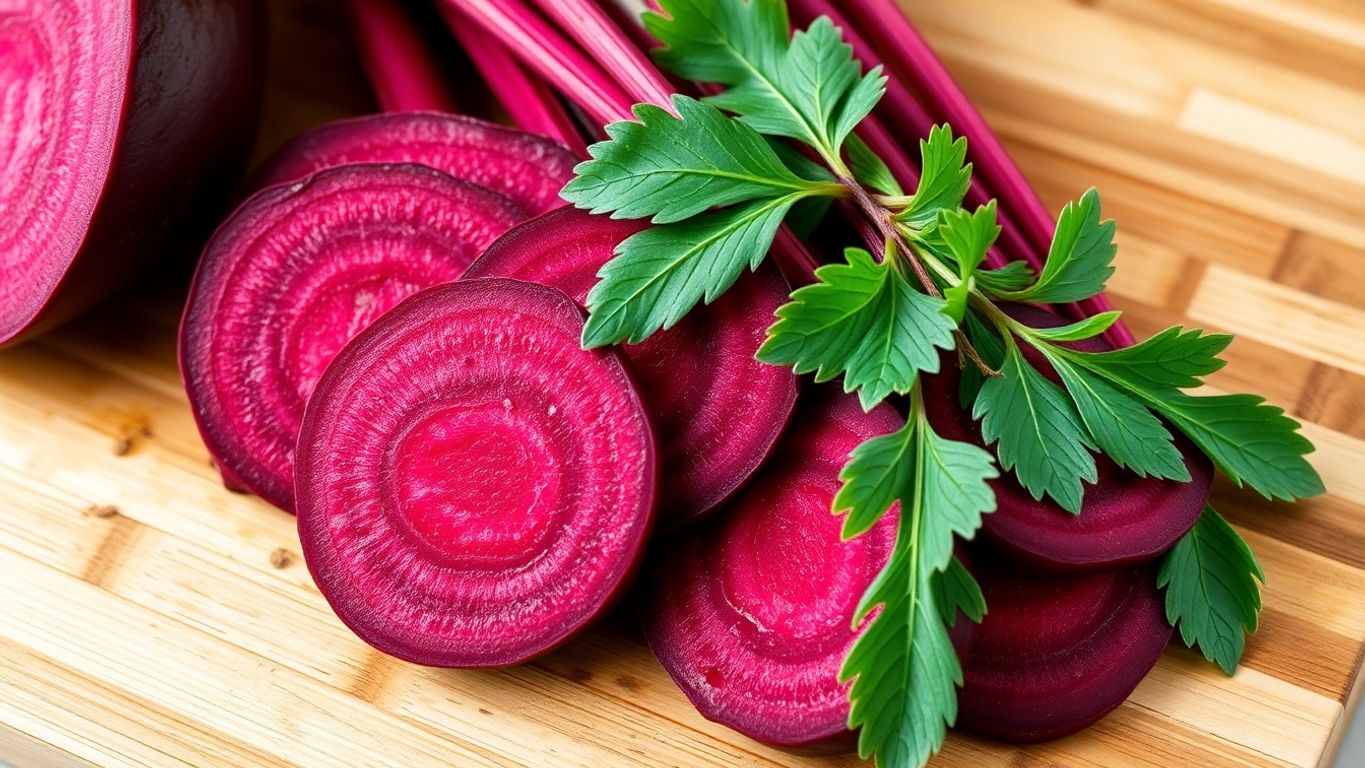
Beets are one of those vegetables that people either love or hate, but if you're looking to boost your circulation, they might just become your new best friend. The magic behind beets lies in their high nitrate content.
Your body converts these nitrates into nitric oxide, a molecule that helps relax and widen blood vessels. This, in turn, allows blood to flow more freely, especially to those hard-to-reach areas like your legs and feet. I remember reading a study where people who drank beet juice saw a noticeable drop in their blood pressure – pretty cool, right?
Drinking beet juice regularly might be a simple way to give your circulatory system a little extra help. It's not a miracle cure, but every little bit counts, especially as we get older.
Here's a quick rundown of why beets are good for blood flow:
They're packed with nitrates.
Nitrates convert to nitric oxide, which widens blood vessels.
Improved blood flow can lead to lower blood pressure.
7. Nuts and Seeds
Okay, so nuts and seeds. I always forget to buy them, but when I do, I feel like I'm making healthy choices. They're not just good for snacking; they can actually help your blood flow better, especially in your legs and feet. Who knew?
Nuts and seeds are packed with good stuff that helps keep your blood vessels happy.
Think of them as tiny powerhouses of nutrients that give your circulation a boost. It's not a miracle cure, but every little bit helps, right?
Here's a quick rundown:
Almonds: Good source of vitamin E, which is an antioxidant.
Walnuts: Rich in omega-3 fatty acids, which are great for reducing inflammation.
Chia Seeds: High in fiber, which helps with overall cardiovascular health.
Adding a handful of nuts or seeds to your daily diet is a simple way to support better circulation. It's an easy change that can make a difference over time. Plus, they're tasty!
I've been trying to sprinkle some chia seeds on my yogurt in the morning. It's not a huge change, but I'm hoping it'll make a difference. Maybe I'll even start remembering to buy them more often!
8. Dark Chocolate
Okay, who doesn't love a little dark chocolate? I know I do! But beyond just being a tasty treat, it might actually help your blood flow better. I was surprised when I first heard this, but it turns out the flavonoids in dark chocolate are the key.
These compounds can help your blood vessels relax, which makes it easier for blood to circulate.
Think of it like this:
Flavonoids act as tiny helpers.
They tell your blood vessels to chill out.
This makes more room for blood to flow through.
I've been trying to incorporate a small square of dark chocolate (70% cocoa or higher) into my daily routine. It's a nice way to end the day, and if it's helping my circulation, even better! Just remember, moderation is key. You don't want to overdo it on the sugar and calories. It's all about balance, right? Plus, it's a great alternative to milk chocolate.
It's important to note that not all chocolate is created equal. Milk chocolate and white chocolate don't have the same benefits because they contain fewer flavonoids. So, if you're looking to improve circulation, stick with the dark stuff!
9. Ginger
Ginger, that spicy rhizome we often use in cooking and teas, is more than just a flavor enhancer. It's been a staple in traditional medicine for ages, particularly in India and China. I remember my grandma always brewing ginger tea whenever I felt a bit under the weather. Turns out, she was onto something!
Ginger has been shown to help reduce high blood pressure, which can really mess with your blood flow. A study I read showed that people who ate the most ginger (around 2-4 grams a day) had the lowest risk of developing high blood pressure. That's pretty impressive, right?
Think of ginger as a natural way to give your circulation a little boost. It's not a magic bullet, but incorporating it into your diet could be a tasty way to support better blood flow in your legs and feet. Plus, it adds a nice kick to your meals!
Here are some easy ways to include more ginger in your life:
Add freshly grated ginger to stir-fries.
Brew ginger tea by steeping slices of ginger in hot water. I like to add a squeeze of lemon and a drizzle of honey.
Include ginger in your smoothies for a zesty twist.
Use ginger as a spice in soups and stews. It pairs especially well with carrots and sweet potatoes.
And if you're someone who often feels cold, especially in your hands and feet, you might want to consider a self-heating compress alongside ginger. It could really help!
10. Cayenne Pepper
Okay, so, cayenne pepper. I know what you're thinking: "Spice? For circulation?" But hear me out. This isn't just about adding a kick to your chili. Cayenne pepper is actually pretty awesome for your blood flow, especially down in those legs and feet.
The magic ingredient here is capsaicin. It's what makes cayenne pepper hot, and it's also what helps your blood vessels relax and work better.
Think of it like this: your blood vessels are like roads, and capsaicin helps widen those roads so traffic (your blood) can flow more smoothly.
So, how can you get more cayenne pepper into your life? Well, you can:
Add a pinch to your soups and stews.
Sprinkle it on your eggs in the morning.
Mix it into your guacamole for an extra zing.
Even take a capsaicin supplement (but talk to your doctor first!).
Just remember to start small. A little goes a long way, and you don't want to set your mouth on fire! But if you can handle the heat, cayenne pepper might just be the secret weapon you need for better leg and foot circulation. It's a simple way to potentially improve your overall health, one spicy dish at a time. Plus, who doesn't love a little extra flavor?
Final Thoughts on Foods for Better Circulation
In conclusion, focusing on your diet can really make a difference when it comes to blood circulation in your legs and feet. By including foods that improve blood circulation in legs and feet like leafy greens, fatty fish, and berries in your meals, you can help improve blood flow and support your overall health. Remember, it’s not just about what you eat, but also about maintaining a balanced lifestyle. Staying active, drinking enough water, and managing your weight are all important too. So, next time you’re planning your meals, think about how these foods can help you feel better and keep your circulation in check.
Frequently Asked Questions
What foods are best for improving blood circulation in legs and feet?
Foods like fatty fish, leafy greens, berries, and garlic are great for boosting blood flow in your legs and feet.
How does fatty fish help with circulation?
Fatty fish, such as salmon and mackerel, are high in omega-3 fatty acids, which can reduce inflammation and improve blood flow.
Why are leafy greens important for circulation?
Leafy greens like spinach and kale contain nitrates that help relax blood vessels, making it easier for blood to flow.
Can fruits really help my blood circulation?
Yes! Fruits like berries and citrus are packed with antioxidants and vitamins that support healthy blood vessels.
Is garlic good for circulation?
Absolutely! Garlic has compounds that may help relax blood vessels and lower blood pressure, improving circulation.
How does hydration affect blood circulation?
Staying hydrated is crucial because it helps keep your blood thin, making it easier for it to circulate throughout your body.

.png)

.png)
